Types of Climbing Ropes
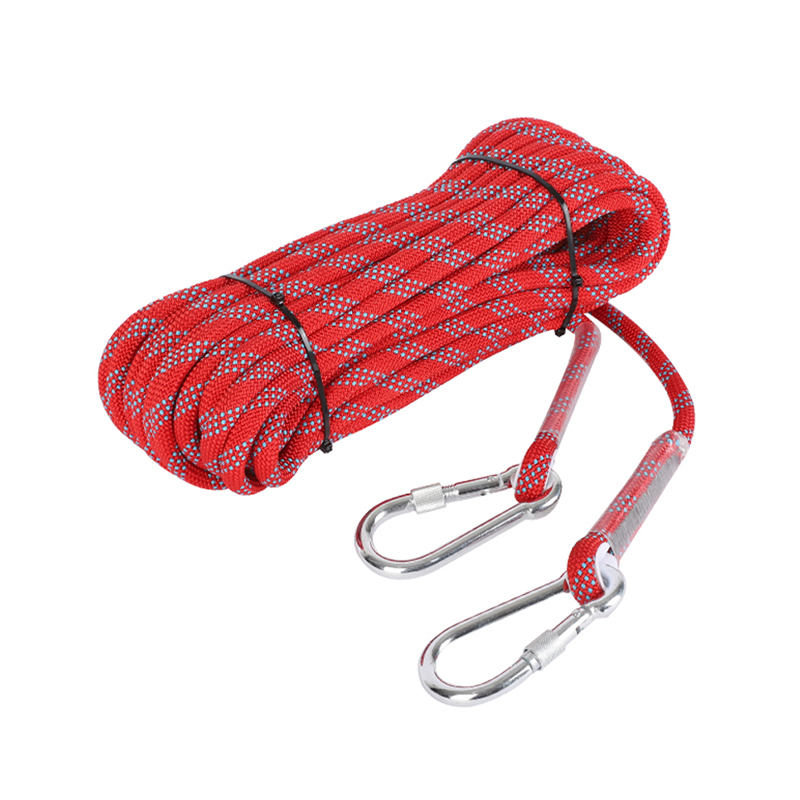
Climbing ropes can be categorized into several main types based on their use, functional requirements, and environmental conditions, including dynamic, static, semi-dynamic, and double rope systems. Each type of rope has its own unique application scenarios and technical characteristics, and climbers should choose the one that best suits their needs to ensure a safe and smooth climb.
Dynamic ropes are the most common and widely used type of climbing rope, primarily used for activities that require fall cushioning. Their design allows them to extend a certain distance when stretched, thereby reducing the impact of a fall. This elasticity makes dynamic ropes particularly suitable for activities that require fall cushioning, such as rock climbing and mountaineering.
Dynamic ropes are typically constructed from multiple strands of tightly woven fibers and coated with a wear-resistant protective layer to effectively prevent damage during use. Due to their unique stretchability, dynamic ropes absorb the inertial force of a climber's fall, minimizing the impact of a fall, making them the preferred equipment for most climbers.
According to standards, dynamic ropes typically have a stretch of 6% to 10%, sufficient to effectively cushion the impact of gravity. However, this stretch also means that dynamic ropes are relatively heavy and unsuitable for certain high-altitude work or situations requiring stable support.
Unlike dynamic ropes, static ropes have virtually no stretch, making them unsuitable for rock climbing activities requiring impact cushioning. Static ropes are primarily used for high-altitude work, rescue operations, or as fixed supports. Their design focuses on providing higher tensile load capacity and more stable support.
Static ropes are typically used in situations where less stretch is required, such as hoisting operations on high-altitude platforms, equipment pulling in construction, and as anchor points during emergency rescue operations. Their advantages include durability, stretch resistance, and the ability to provide more stable support, making them suitable for prolonged, high-load use.
Static ropes are often made of a special wear-resistant material, which allows them to withstand high friction and resist damage in wet and cold environments. However, a disadvantage is that they lack the elasticity of dynamic ropes, making them unsuitable for direct use in rock climbing activities with a high risk of falls.
Semi-dynamic ropes are a cross between dynamic and static ropes. Designed to combine a certain degree of elasticity with high tensile strength, they are commonly used in double rope systems. When used, semi-dynamic ropes effectively share the load, thus improving safety and stability in double rope systems.
Semi-dynamic ropes typically have less stretch than dynamic ropes, but still offer a certain degree of elasticity compared to static ropes. This makes them suitable for climbing in challenging terrain, particularly in situations requiring high mobility, such as rock faces, or when using double rope systems. Double rope systems use two ropes working together, providing better support in the event of unstable rock or a fall, reducing the load on a single rope.
Compared to dynamic ropes, semi-dynamic ropes are generally lighter, making them suitable for long-term carrying. However, their lower stretch makes them unsuitable for climbing activities requiring significant elasticity.
Double rope systems typically consist of two thin ropes that work together to provide support. In rock climbing, the advantage of a double rope system is that in the event of a fall or a need for a quick retreat, the two ropes effectively share the load, reducing the risk of overloading a single rope. The tensile force of each rope is distributed, further enhancing climbing safety.
A double rope system typically requires two separate anchor points to secure the ropes, each operated by a separate climber or device. Climbers using a double rope system gain greater stability and flexibility on treacherous rock faces. While typically heavier, a double rope system provides greater safety for complex climbing tasks and is suitable for professional climbers.
Climbing Rope Materials and Characteristics
The material of a climbing rope directly determines its durability, safety, and suitability for environmental conditions. Ropes of different materials vary in strength, weight, UV resistance, and abrasion resistance, so climbers need to choose the appropriate rope based on their needs.
Nylon is currently the most commonly used climbing rope material, particularly for dynamic ropes. Nylon possesses excellent elasticity and strength, allowing it to effectively stretch under the weight of gravity, reducing the force of a fall. Nylon ropes are also highly abrasion-resistant, making them suitable for use on rock and other rough surfaces, and can withstand prolonged friction and tension.
Another major advantage of nylon is its ability to withstand certain UV radiation and chemical exposures. While its UV resistance isn't as good as polyester, it's still relatively durable. Nylon ropes typically utilize a stronger braid and are often covered with an abrasion-resistant protective layer to extend their lifespan.
Polyester is another commonly used material for static ropes, particularly suitable for applications where elasticity isn't required, such as aerial work and rescue operations. Compared to nylon ropes, polyester ropes are more UV-resistant and can withstand prolonged exposure to sunlight without deterioration. Therefore, polyester ropes are particularly suitable for use in areas with strong sunlight or for extended outdoor use.
Polyester also offers strong chemical resistance, withstanding corrosion from acids, alkalis, and other chemicals, while nylon ropes are less susceptible to chemical environments. Polyester rope has low stretch, meaning it doesn't stretch as elastically as nylon rope during use, making it unsuitable for rock climbing activities requiring cushioning.
Kevlar is a high-strength fiber material often used in specialized applications, such as extreme rock climbing or in high-temperature environments. Kevlar climbing rope offers exceptional cut and tear resistance, effectively protecting against damage from sharp rocks. Another key feature of Kevlar rope is its high-temperature resistance, maintaining its stability in high-temperature environments without the loss of strength that occurs with nylon.
Climbing Rope Selection and Maintenance
Climbing rope selection and maintenance are crucial to ensuring safety during rock climbing activities. Choosing the right rope not only enhances the climber's experience and ensures a smooth climb, but also effectively prevents potential safety hazards. Proper maintenance extends the rope's lifespan, ensuring it remains in optimal condition and provides optimal protection for the user.
Choosing the right climbing rope first requires careful consideration based on the type of activity and environment. For regular rock climbing, dynamic ropes are the most common choice because they effectively mitigate the impact of a fall, protecting climbers from excessive injuries. Dynamic ropes have a moderate elasticity that absorbs the force of gravity and reduces direct tension on the climber, making them suitable for a variety of common rock climbing activities, including outdoor rock climbing, indoor rock climbing, and mountaineering.
For certain high-altitude work, emergency rescue, or equipment securing, static ropes are a more ideal choice. Because they have virtually no stretch, static ropes provide very stable support without the dynamic stretching that can affect stability during high-altitude work. When choosing a static rope, consider its strength and tensile strength to ensure it can withstand the loads of complex environments.
When choosing a climbing rope, diameter and length are also important. Generally speaking, thicker ropes have a greater load-bearing capacity and higher abrasion resistance, but they are heavier and are therefore suitable for climbing activities requiring larger loads. Thinner ropes, while lightweight, have lower tensile strength and are therefore suitable for activities requiring smaller loads. The length of the rope should be selected based on the altitude of the climbing route, ensuring it is long enough to withstand the required heights.
To ensure the longevity and performance of a climbing rope, regular maintenance and inspection are crucial. Climbers should clean the rope after each use to remove any adhering sand, dirt, and chemicals. Especially when climbing on rock faces, ropes are susceptible to contamination from rocks, dust, and other substances, which can damage or corrode the rope surface, so they require timely cleaning.
Ropes should be protected from direct sunlight, especially for extended periods. Ultraviolet rays can degrade nylon, weakening it. Therefore, ropes should be stored in a cool, dry place and away from heavy objects to prevent stress.
In addition to cleaning and storage, regular inspection of ropes for wear is also a crucial part of maintenance. Climbers should pay particular attention to the outer protective covering of the rope, checking for signs of tearing, wear, or other damage. Rope attachment points, carabiners, and anchor points also require special attention, as even minor damage can compromise climbing safety. Climbers should also pay attention to the lifespan of their ropes. Although a rope can still be used repeatedly, its material will gradually wear out and age over time. This is especially true if the rope is exposed to extreme conditions such as high temperature, humidity, and UV rays, which can shorten its lifespan. Climbers should replace their ropes promptly to ensure safety.
As a company specializing in safety technology, Jiangsu Senmao Safety Technology Co., Ltd. not only provides high-quality climbing ropes but also offers comprehensive safety solutions. The company not only focuses on product research and development and production, but also provides one-stop safety services, including safety training, risk assessments, and accident prevention strategies, ensuring that customers receive professional support at every stage of their climbing activities.
Since its establishment, the company has achieved remarkable results in the research and development of climbing ropes and other safety equipment through years of continuous effort and technological accumulation. As an industry leader, Jiangsu Senmao Safety Technology Co., Ltd.'s R&D team is committed to providing innovative solutions to customers, ensuring that each rope design meets international standards and features high quality, strength, and safety.
Jiangsu Senmao Safety Technology Co., Ltd. is also committed to providing customized services, tailoring climbing ropes of varying specifications, lengths, and materials to meet the needs of various applications. Whether it's individual rock climbing enthusiasts or large enterprises performing aerial work, Jiangsu Senmao Safety Technology Co., Ltd. provides professional product design and technical support to ensure every customer receives the right equipment.
This one-stop solution provides customers with comprehensive support from product selection and custom design to logistics and delivery. Jiangsu Senmao Safety Technology Co., Ltd.'s full-process tracking service covers not only product production but also installation, commissioning, and after-sales maintenance. With a comprehensive technical service system and a professional team, the company ensures that customers are fully protected when using climbing ropes.
Quality assurance is a key commitment of Jiangsu Senmao Safety Technology Co., Ltd. As a leading company in the industry, all climbing ropes from Jiangsu Senmao Safety Technology Co., Ltd. undergo rigorous quality testing to ensure compliance with international safety standards. Every rope undergoes multiple tests during production to ensure maximum strength, wear resistance, and longevity. Whether used for general rock climbing or high-intensity work in extreme environments, ropes from Jiangsu Senmao Safety Technology Co., Ltd. provide reliable safety.