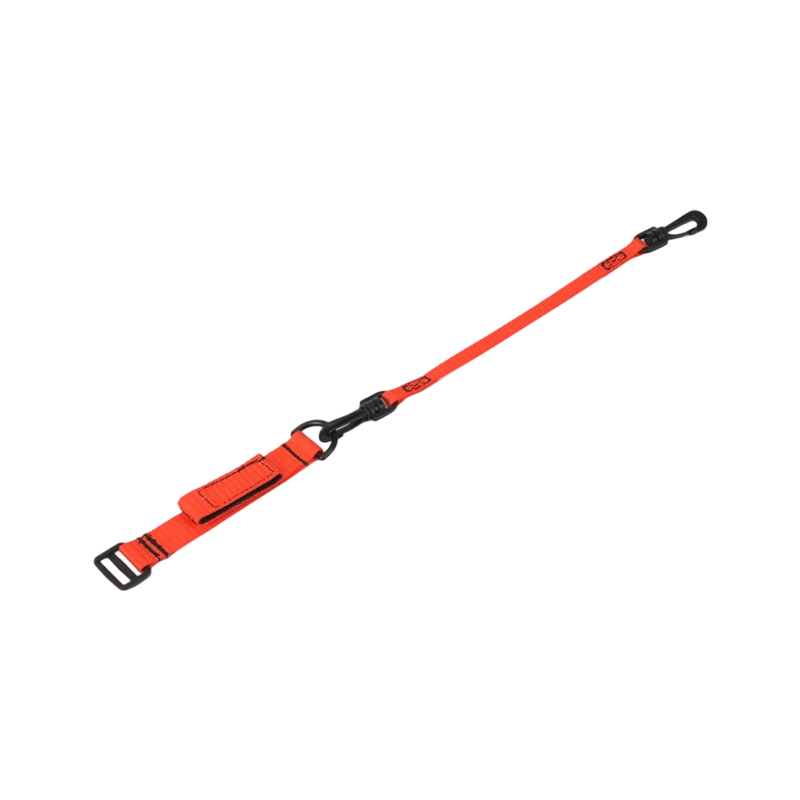
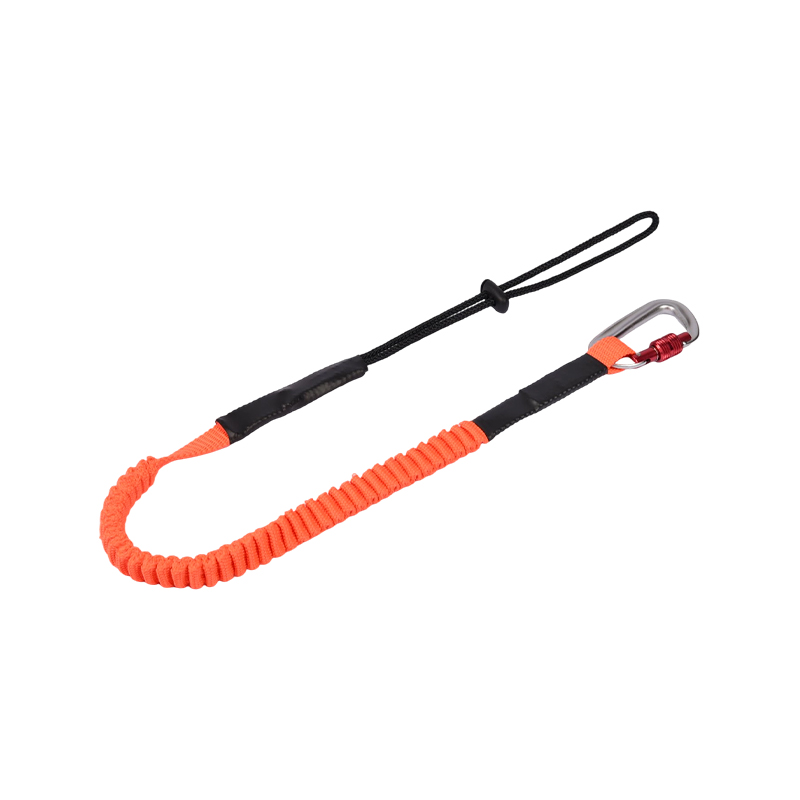
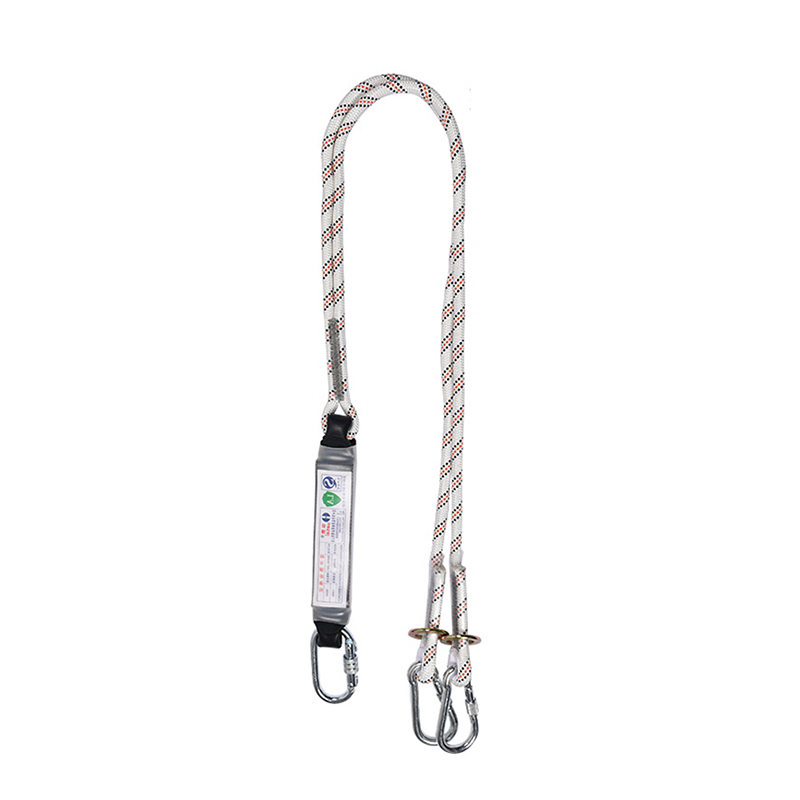
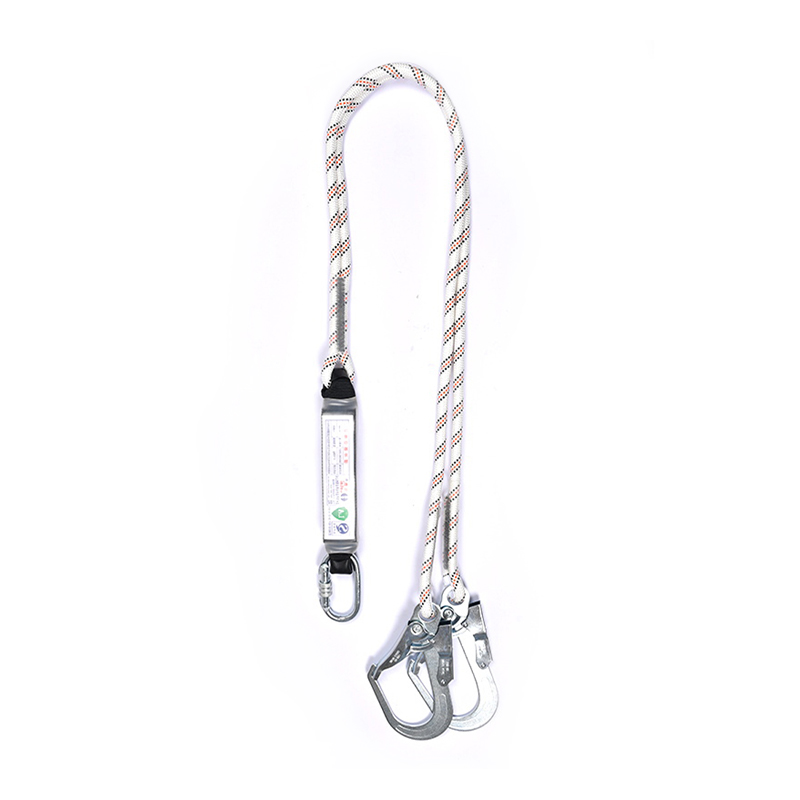
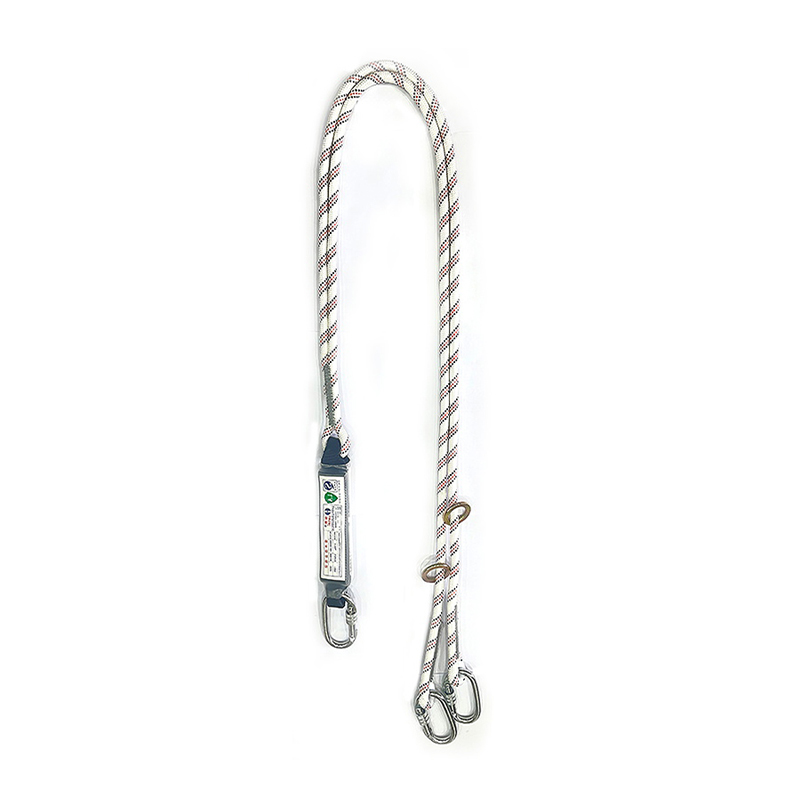
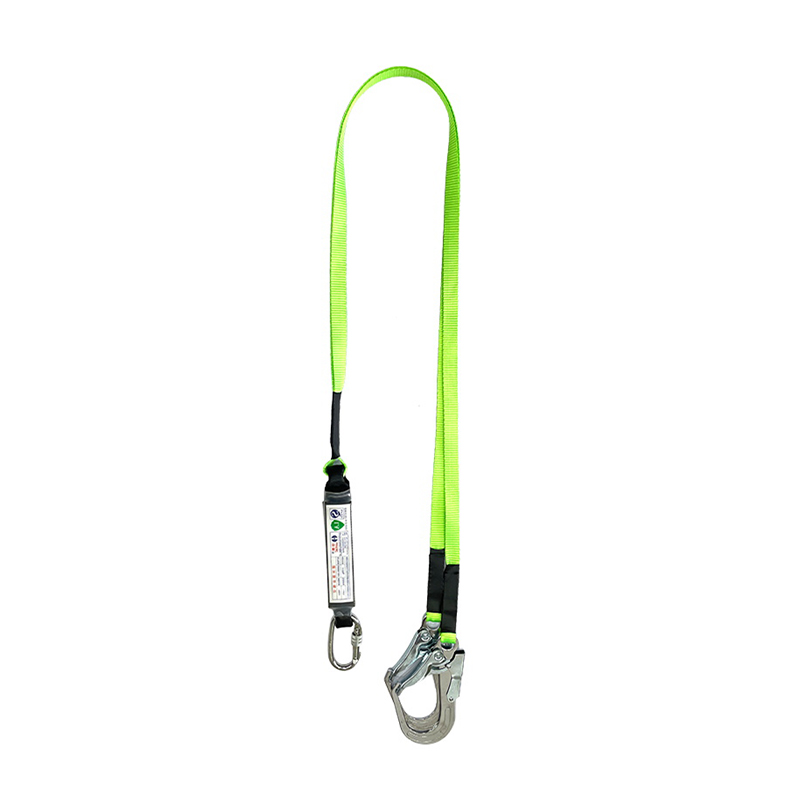
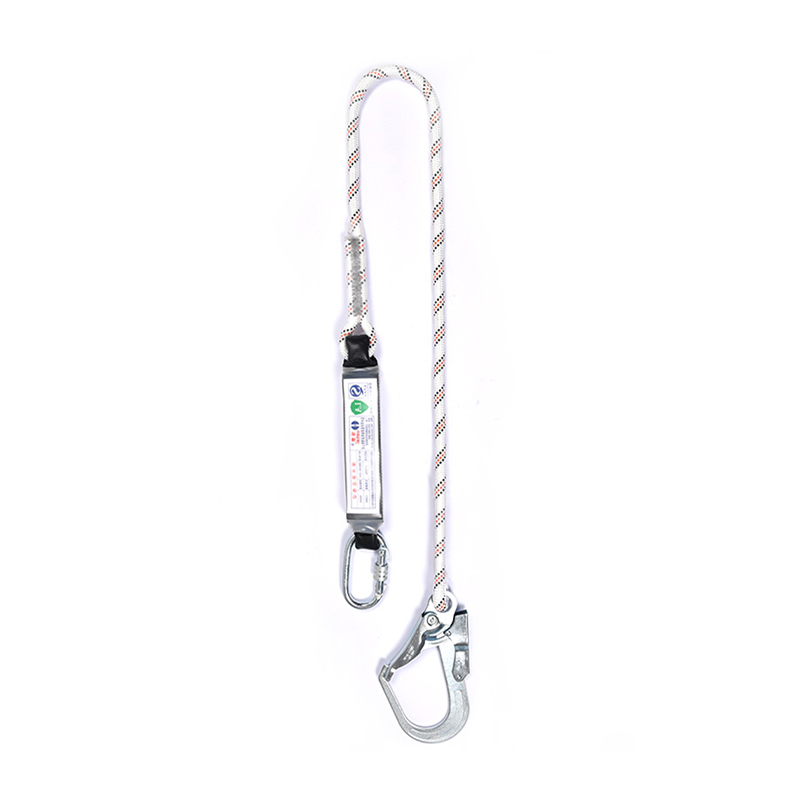
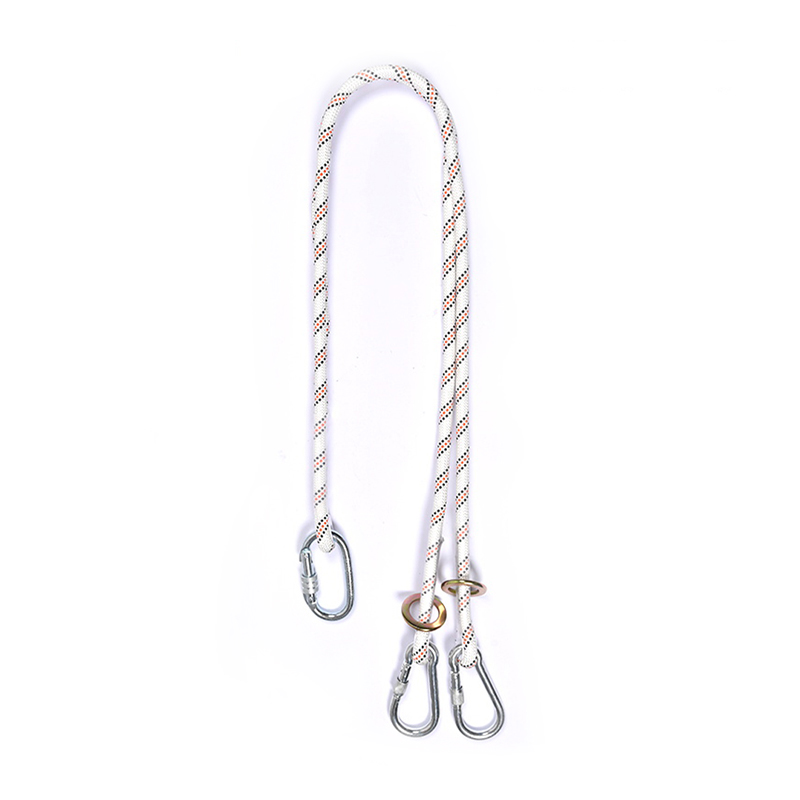
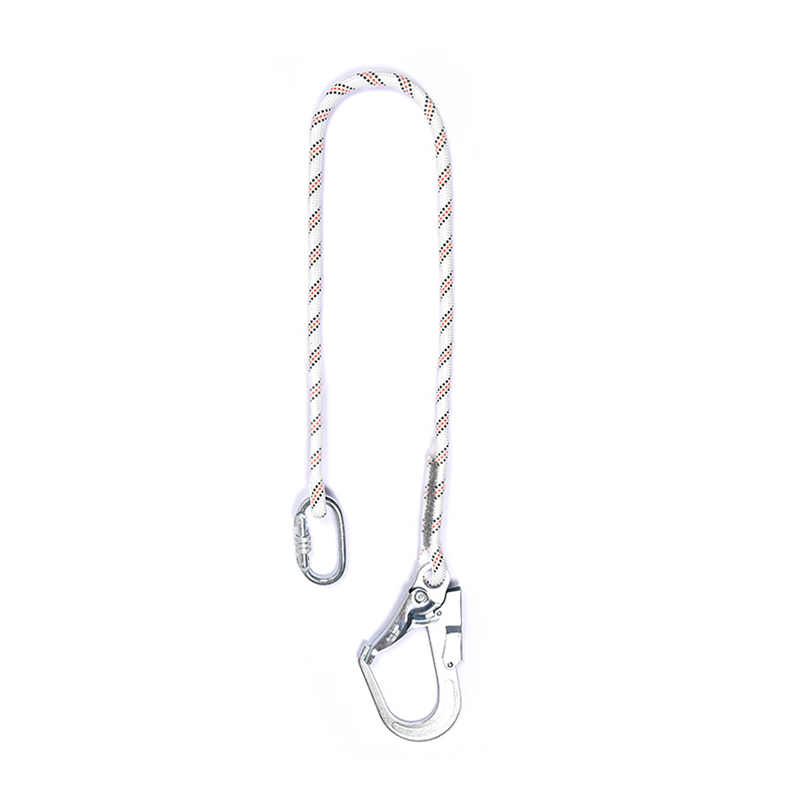
What is a safety rope and what role does it play in workplace safety?
Introduction: The Role of Safety Ropes in Workplace Safety
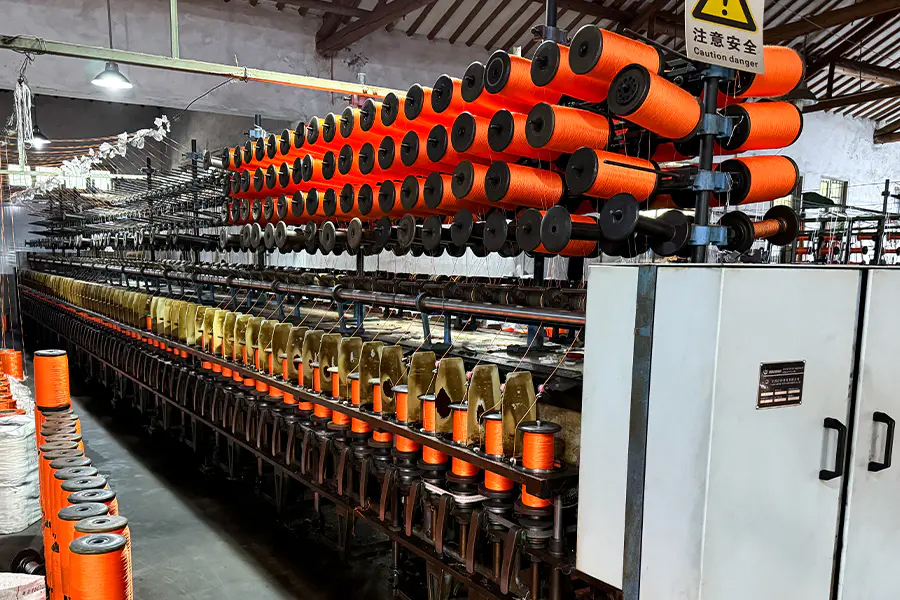
A safety rope is an essential element of personal protective equipment in workplaces where fall risks exist. Industries such as construction, climbing, and rescue operations rely on safety ropes to prevent injuries and ensure secure movement in elevated or hazardous environments. Jiangsu Senmao Safety Technology Co., Ltd., established in 2001 and located in Taizhou, Jiangsu Province, China, specializes in producing and selling safety protection products, outdoor equipment, and firefighting tools. The company offers a broad portfolio of more than 300 products, including various types of safety ropes, reflecting its commitment to standardized production processes and strong technical capabilities.
Safety ropes play a central role in rope applications by providing fall protection, supporting rescue operations, and enabling safe climbing. Understanding the structure, types, and maintenance of safety ropes is crucial for ensuring rope safety standards and prolonging service life.
Definition and Function of a Safety Rope
A safety rope is a strong, flexible cord designed to support human weight and resist dynamic forces during falls or load-bearing activities. Safety ropes are used to prevent accidents by arresting falls, securing tools or equipment, and providing support in elevated tasks. In rope applications, the choice of rope type and material directly influences safety performance, strength, and longevity. Both dynamic rope and static rope types are widely used depending on whether energy absorption or minimal stretch is required.
Key Types of Safety Ropes
Safety ropes can be categorized into several types, with the most common being dynamic ropes, static ropes, and kernmantle ropes. Dynamic ropes are designed to stretch under load, absorbing the energy of a fall and reducing stress on the user and anchor points. Static ropes, on the other hand, exhibit minimal stretch and are ideal for hauling loads, rescue operations, or fixed safety lines. Kernmantle ropes feature a core (kern) providing the majority of strength, and a woven sheath (mantle) protecting against abrasion and environmental damage, making them suitable for climbing and rescue activities.
| Rope Type |
Primary Use |
Characteristics |
| Dynamic Rope |
Climbing, fall protection |
High elasticity, absorbs fall energy |
| Static Rope |
Rescue, hauling, fixed lines |
Low stretch, high strength |
| Kernmantle Rope |
General safety and climbing |
Strong core with protective sheath |
Understanding the distinctions among rope types is crucial for selecting the appropriate safety rope for specific rope applications.
Material Composition and Rope Strength
Safety ropes are typically made from synthetic fibers such as nylon, polyester, or polypropylene. Nylon provides high elasticity and energy absorption, making it suitable for dynamic rope applications. Polyester offers reduced stretch and improved UV resistance, ideal for static rope tasks. Polypropylene is lightweight and water-resistant, often used in marine or wet environments. Rope strength is determined by material, diameter, and construction method, which affects its ability to withstand falls, loads, and abrasion during work.
Safety Rope in Construction Applications
In the construction industry, safety ropes are used as part of fall arrest systems, positioning systems, and access solutions for elevated work areas. Workers rely on ropes to safely climb scaffolding, secure themselves during tower assembly, or operate in confined spaces. Proper selection of safety rope types and adherence to rope safety standards are essential for minimizing workplace accidents and maintaining operational efficiency.
Safety Rope in Climbing and Rescue Operations
For climbing and rescue operations, safety ropes provide lifelines that protect personnel from falls and enable controlled descents. Dynamic ropes are preferred in climbing because they reduce the impact forces experienced during a fall, while static ropes are used for lifting or lowering equipment, stretch-free rescues, and fixed safety lines. Proper rope handling, inspection, and knowledge of rope maintenance are critical to ensure reliability in life-threatening scenarios.
Rope Inspection and Maintenance
Regular rope inspection and rope maintenance are essential for ensuring rope safety standards are met. Inspection involves checking the rope for fraying, cuts, discoloration, stiffness, or damaged strands. Any signs of wear or compromised integrity indicate the rope should be retired. Maintenance includes cleaning the rope, proper storage away from sunlight and chemicals, and avoiding sharp edges during use. Following these procedures prolongs rope life and ensures safety in daily rope applications.
The table below provides a reference for rope inspection and maintenance:
| Component |
Inspection Focus |
Action Required |
| Rope Core |
Fraying, breaks |
Retire rope if damaged |
| Sheath |
Abrasion, cuts |
Clean or replace as necessary |
| Rope Ends |
Sealing, wear |
Re-seal or trim ends |
| Storage Conditions |
Exposure to UV or chemicals |
Store in dry, cool, shaded area |
Choosing the Appropriate Safety Rope
Selecting the correct safety rope type depends on factors such as application, load requirements, environmental conditions, and regulatory compliance. For example, dynamic ropes are suitable for fall protection in climbing, while static ropes are better for rescue operations or fixed lines in construction. Companies such as Jiangsu Senmao Safety Technology Co., Ltd. provide guidance on rope selection, ensuring adherence to rope safety standards and optimizing safety for different work environments.
Integrating Safety Ropes with Fall Protection Systems
Safety ropes are often integrated with other protective equipment, such as harnesses, lanyards, and anchors, to form a complete fall protection system. Proper installation and regular inspection of these systems are necessary to maintain the safety of workers. Safety ropes help distribute fall forces and provide secure attachment points for personnel, which is crucial for mitigating risks in elevated or hazardous workplaces.
What are the key components of a safety rope and what are their functions?
Introduction to Safety Ropes
Safety ropes are essential tools in industries such as climbing, rescue, and construction. Their main function is to provide fall protection and support in situations where human safety is at risk. Jiangsu Senmao Safety Technology Co., Ltd., established in 2001 in Taizhou, Jiangsu Province, China, specializes in producing and selling safety protection products, outdoor equipment, and fire safety products. With over 300 products, more than 50 production lines, and 5 testing facilities, the company emphasizes adherence to standardized manufacturing processes and technical rigor. Safety ropes are a key component of its product offerings, covering a range of types and applications, including dynamic rope, static rope, and kernmantle rope. Understanding the key components of a safety rope and their functions is essential for proper use, inspection, and maintenance.
Core Components of a Safety Rope
The core components of a safety rope include the core, sheath, and sometimes additional protective layers. Each part contributes to the overall strength, flexibility, and durability of the rope. The core is the main load-bearing element, providing tensile strength and elasticity. The sheath protects the core from abrasion, environmental factors, and mechanical damage. Additional components, such as impact indicators or protective coatings, can enhance safety and performance, depending on the rope type and application.
Core: The Load-Bearing Element
The core, often made from high-strength synthetic fibers such as nylon or polyester, is responsible for the rope's load-bearing capacity. In dynamic ropes used for climbing or rescue, the core allows controlled stretch to absorb energy during a fall. In static ropes, commonly used in construction or rope access work, the core provides minimal stretch for stability and support. The core’s structure, fiber arrangement, and density directly affect rope strength and durability, making it crucial for safety applications. Proper inspection and maintenance of the core are necessary to ensure that internal damage, wear, or fiber degradation does not compromise the rope’s performance.
Sheath: Protective Layer
The sheath surrounds the core and serves as a protective barrier. It shields the core from abrasion, dirt, UV radiation, chemicals, and other environmental factors that can weaken the rope. In kernmantle ropes, the sheath is braided tightly to distribute wear evenly while maintaining flexibility. The thickness, weave pattern, and material of the sheath influence rope handling, durability, and safety standards compliance. Regular rope inspection involves checking the sheath for fraying, cuts, or soft spots that may indicate internal core damage. Proper sheath maintenance, such as cleaning with mild detergents and avoiding prolonged exposure to sunlight, helps extend rope service life.
Additional Protective Layers and Features
Some safety ropes include additional components for enhanced performance. Impact indicators are integrated into certain ropes to visually signal excessive load or impact events. Protective coatings can increase resistance to abrasion, water absorption, and chemical exposure. In specialized ropes for rescue or firefighting, heat-resistant layers or reflective markers may be added to improve safety and visibility. The combination of core, sheath, and additional layers ensures that the rope meets specific rope safety standards and is suitable for its intended applications.
Rope Types and Their Structural Differences
Safety ropes are categorized by type based on function, elasticity, and structure. Dynamic ropes are designed for climbing and rescue, with stretch to absorb energy during a fall. Static ropes, used in construction and rope access, provide minimal elongation for stability. Kernmantle ropes consist of a core (kern) and sheath (mantle), offering a balance of strength and flexibility. The structural differences of these rope types influence their applications, maintenance needs, and compliance with rope safety standards. Jiangsu Senmao Safety Technology Co., Ltd. produces various types of safety ropes tailored for climbing, construction, and rescue scenarios.
Rope Materials and Strength Considerations
Safety ropes are primarily made from synthetic fibers such as nylon, polyester, and polypropylene. Nylon provides high elasticity and impact absorption, making it suitable for dynamic ropes. Polyester offers low stretch and chemical resistance, commonly used for static ropes in industrial applications. Polypropylene is lightweight and resistant to water, often used in water rescue or marine environments. The choice of material affects rope strength, weight, durability, and application suitability. Rope strength must comply with international safety standards, and regular inspection is required to identify any degradation that could compromise load-bearing performance.
Rope Inspection and Maintenance
Rope inspection and maintenance are critical to ensuring safety and longevity. Users should regularly examine the rope for cuts, fraying, abrasion, or core exposure. Special attention should be paid to high-stress areas, knots, and points of frequent contact with hardware. Rope maintenance includes cleaning, drying, and proper storage. Cleaning should use mild detergents and avoid harsh chemicals that could weaken fibers. Ropes must be stored in dry, ventilated areas away from direct sunlight or heat sources. Proper inspection and maintenance align with rope safety standards and reduce the risk of accidents during use.
Rope Applications Across Industries
Safety ropes are used in various applications, including climbing, rescue, construction, firefighting, and outdoor activities. Dynamic ropes provide fall protection for climbers, while static ropes support workers in suspended work or rope access. Kernmantle ropes are commonly chosen for their balanced strength and handling characteristics. Rope applications also extend to anchoring, load securing, and emergency evacuation scenarios. The proper selection of rope type, material, and diameter based on the intended application is essential for both performance and safety compliance.
Summary Table of Safety Rope Components
| Component |
Material Examples |
Primary Function |
Key Considerations |
| Core |
Nylon, Polyester |
Load-bearing, elasticity (dynamic) or stability (static) |
Fiber arrangement, tensile strength, stretch characteristics |
| Sheath |
Nylon, Polyester braid |
Protection from abrasion, UV, chemicals |
Thickness, weave pattern, wear indicators |
| Additional Layer |
Impact indicator, heat-resistant coatings |
Enhanced safety, visibility, chemical or heat resistance |
Application-specific requirements |