What is a safety harness and what role does it play in workplace safety?
Introduction to Safety Harness
A safety harness, also referred to as a fall protection harness, is a critical component of personal protective equipment used in environments where there is a risk of falling from height. The safety harness is designed to distribute fall forces across the body and minimize injury in the event of a fall. Jiangsu Senmao Safety Technology Co., Ltd., established in 2001 in Taizhou, Jiangsu Province, provides a wide range of safety harnesses as part of its extensive portfolio of over 300 safety protection products. The company’s advanced production facilities and rigorous adherence to standardized production processes ensure the reliability and quality of their harness products. In workplace safety, a safety harness is fundamental to fall prevention and protection, helping to maintain employee safety in construction, industrial, and rescue operations.
Types of Safety Harness
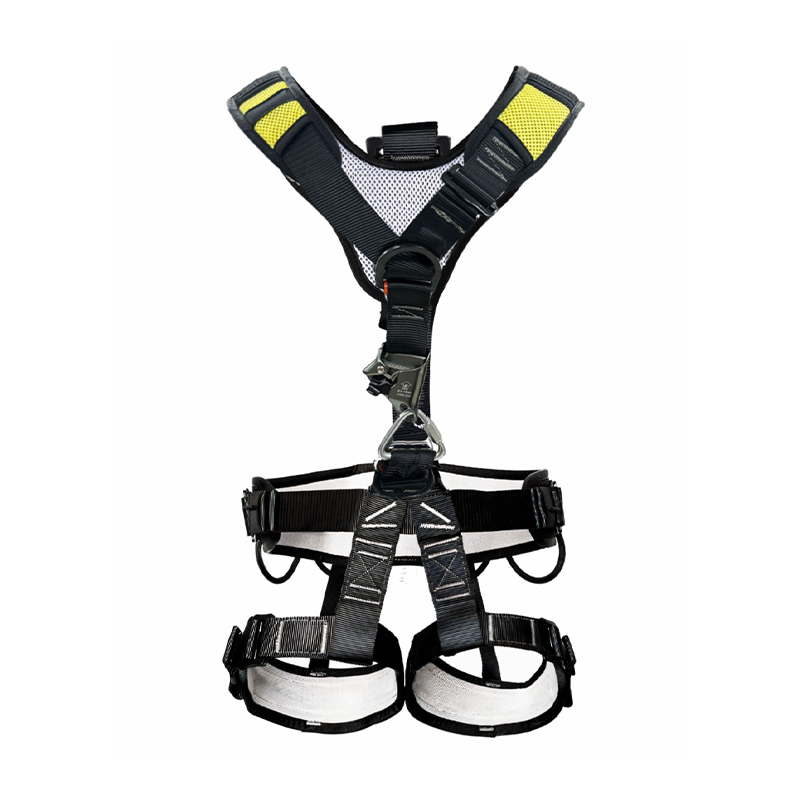
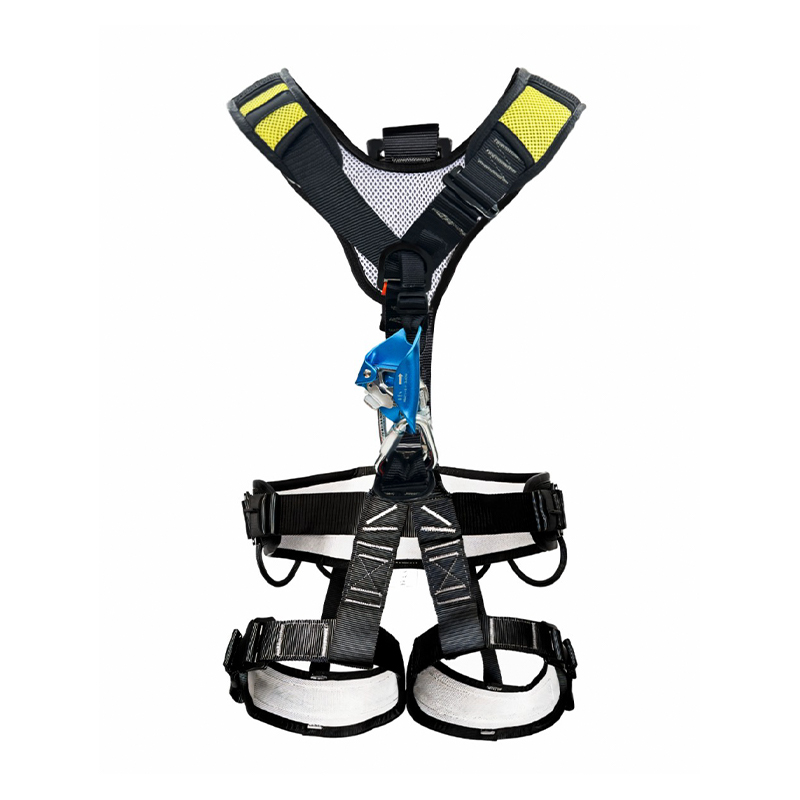
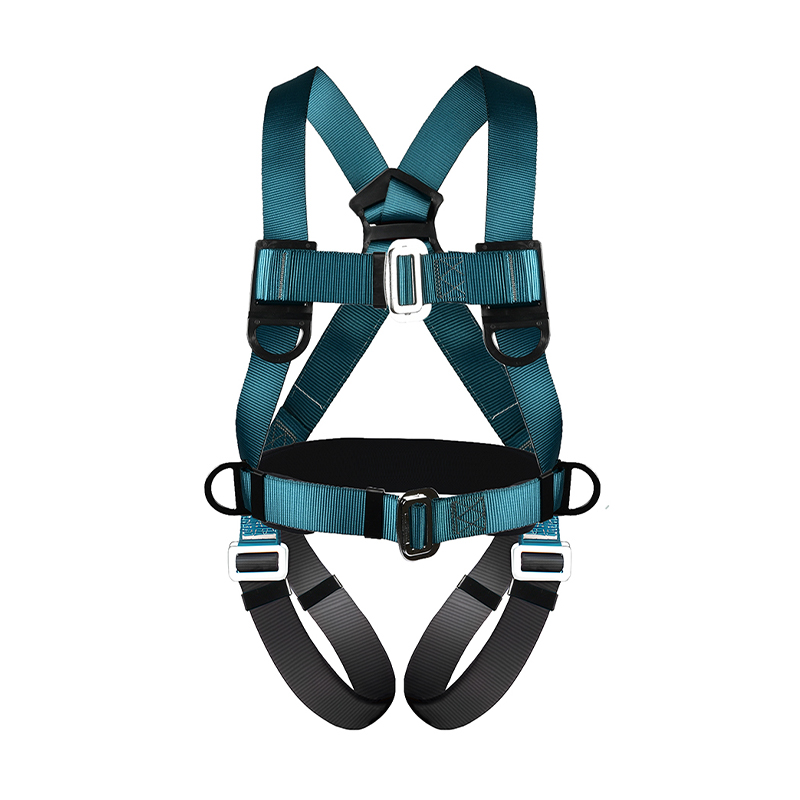
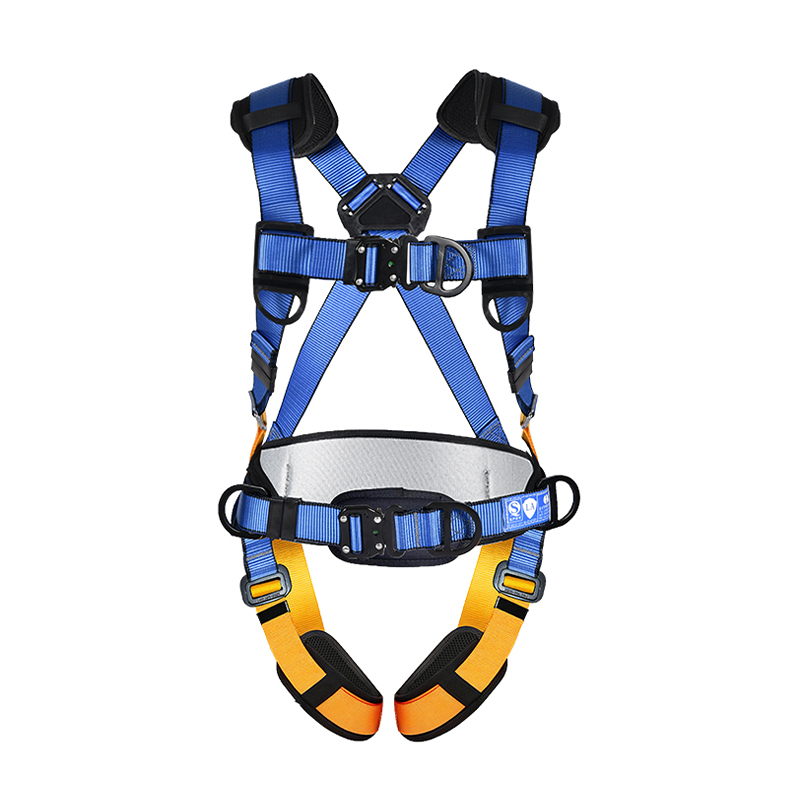
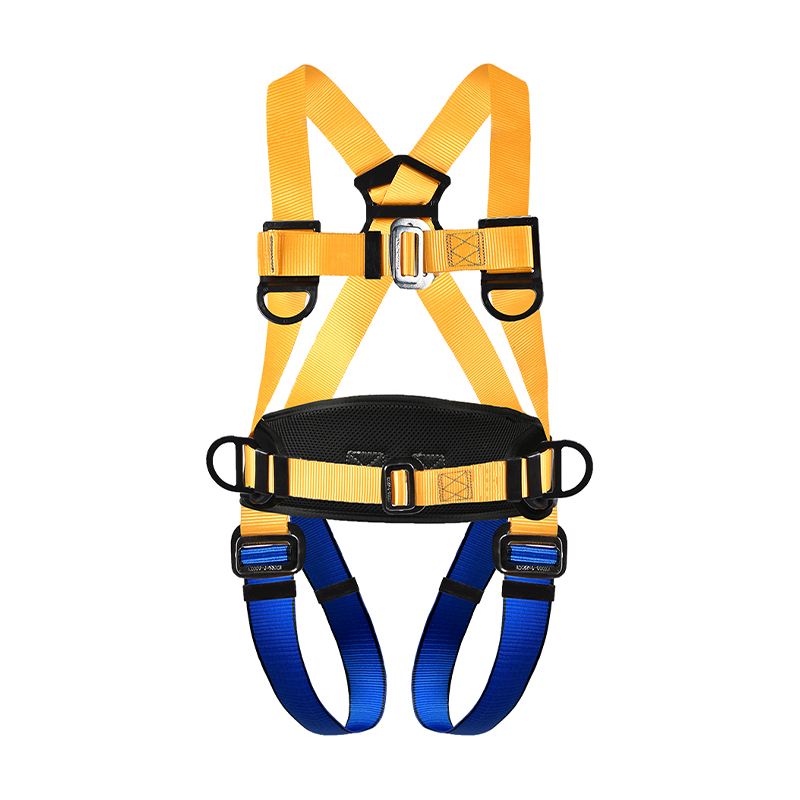
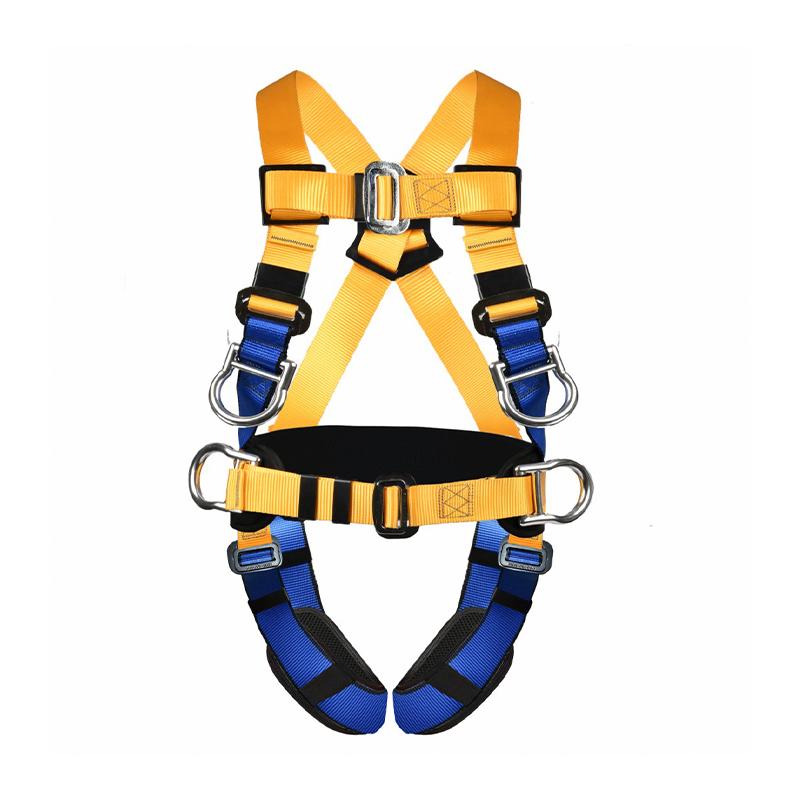
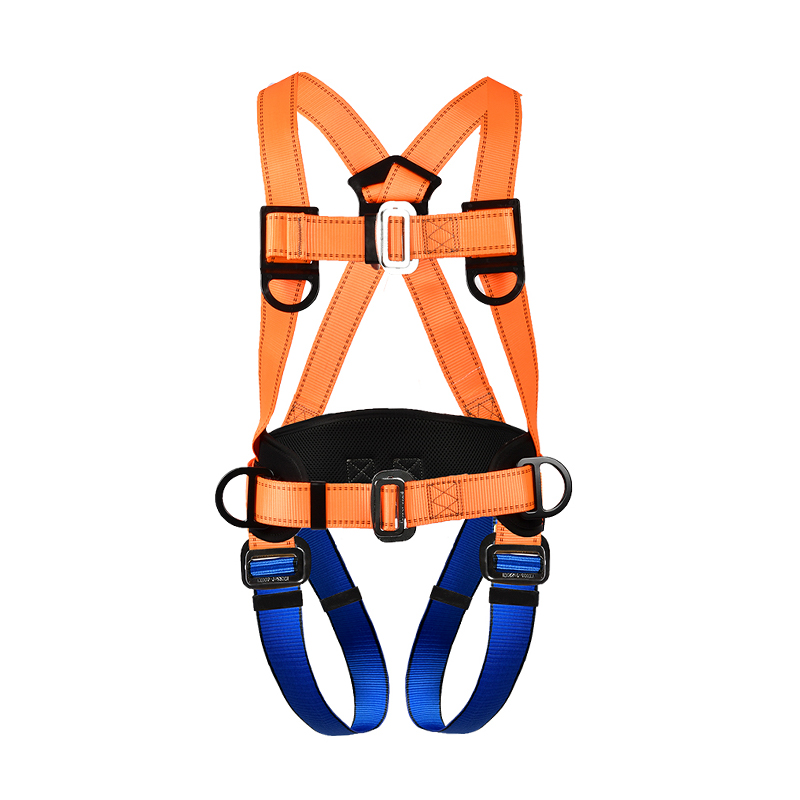
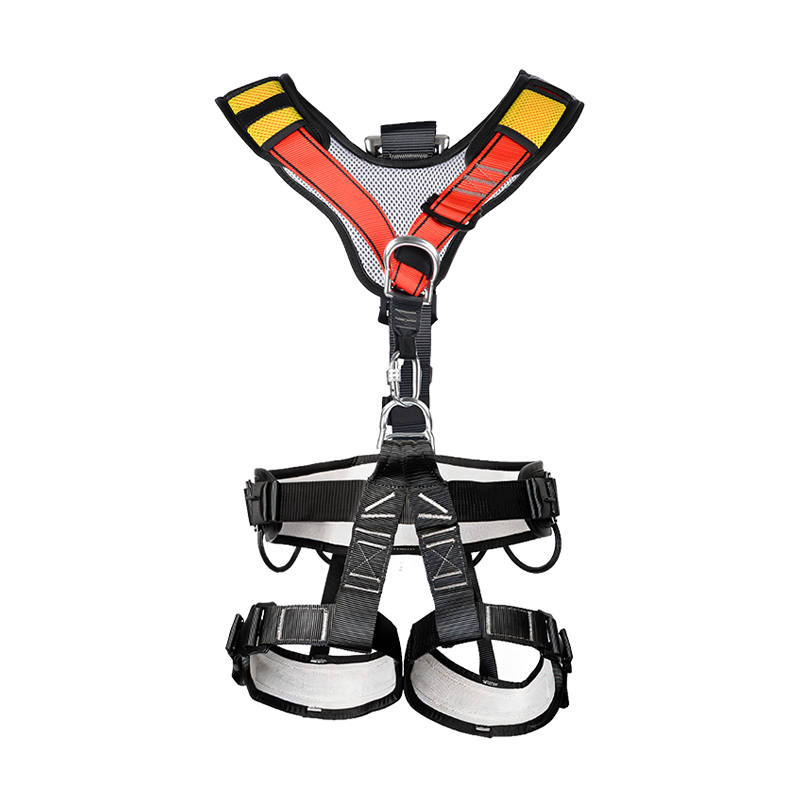
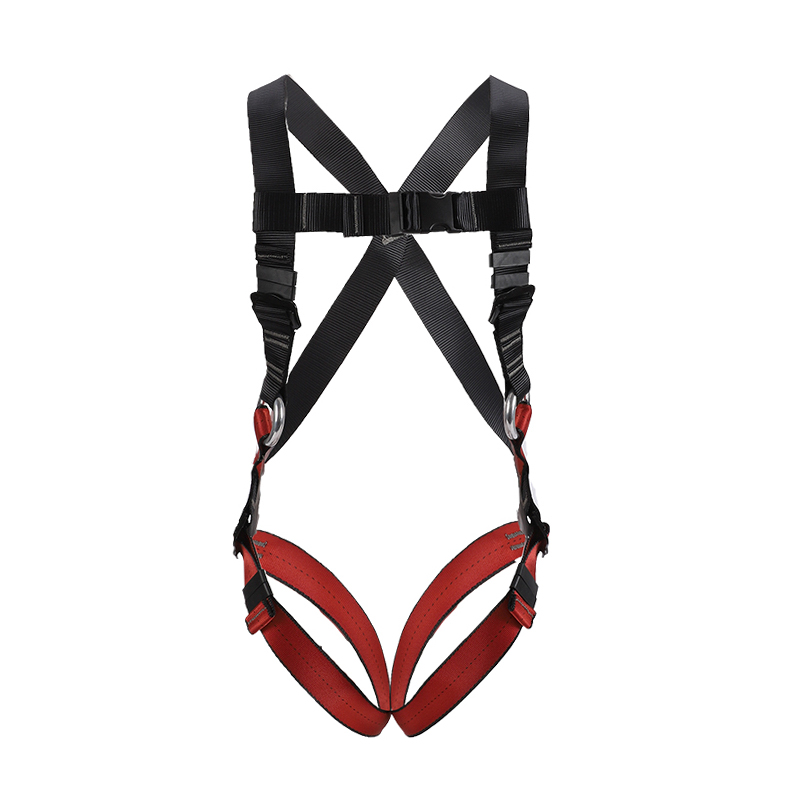
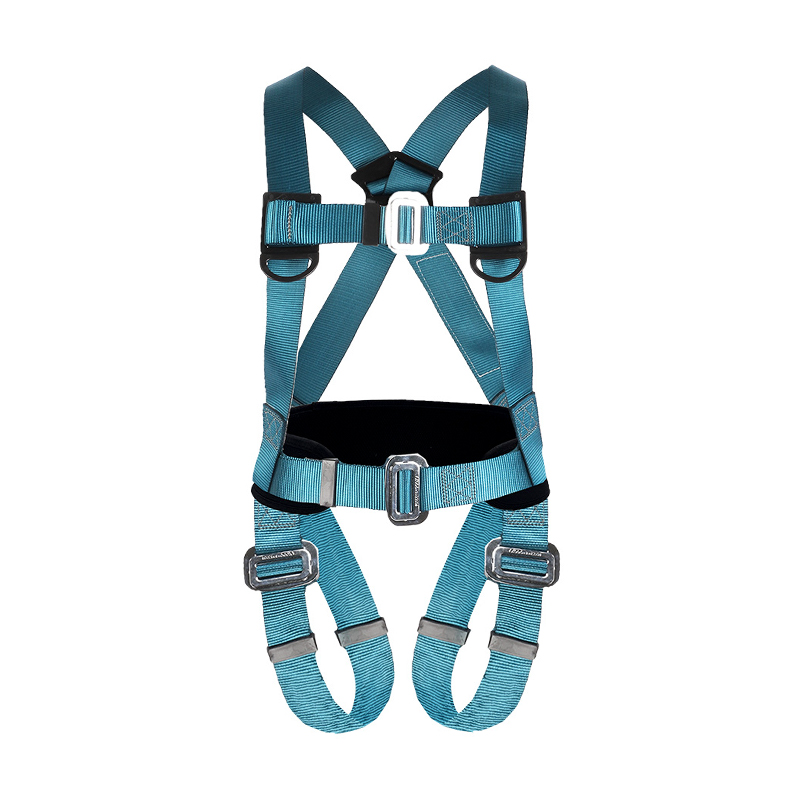
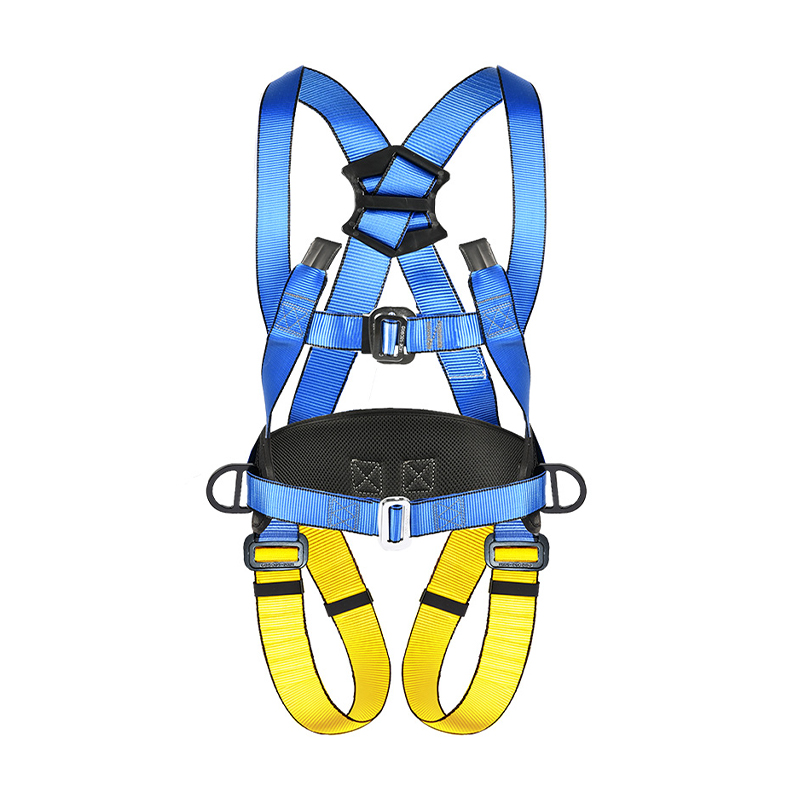
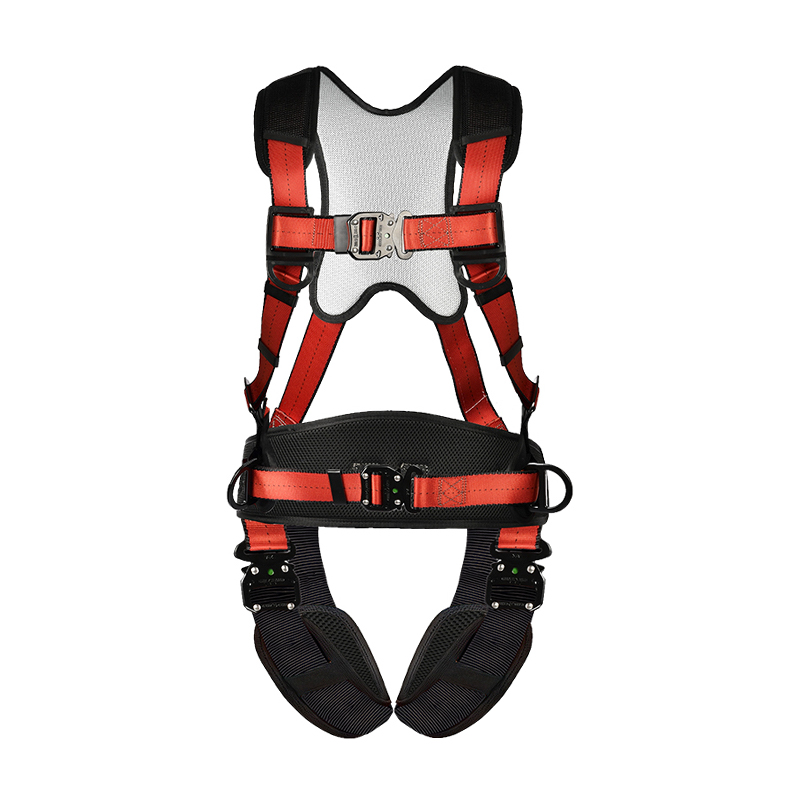
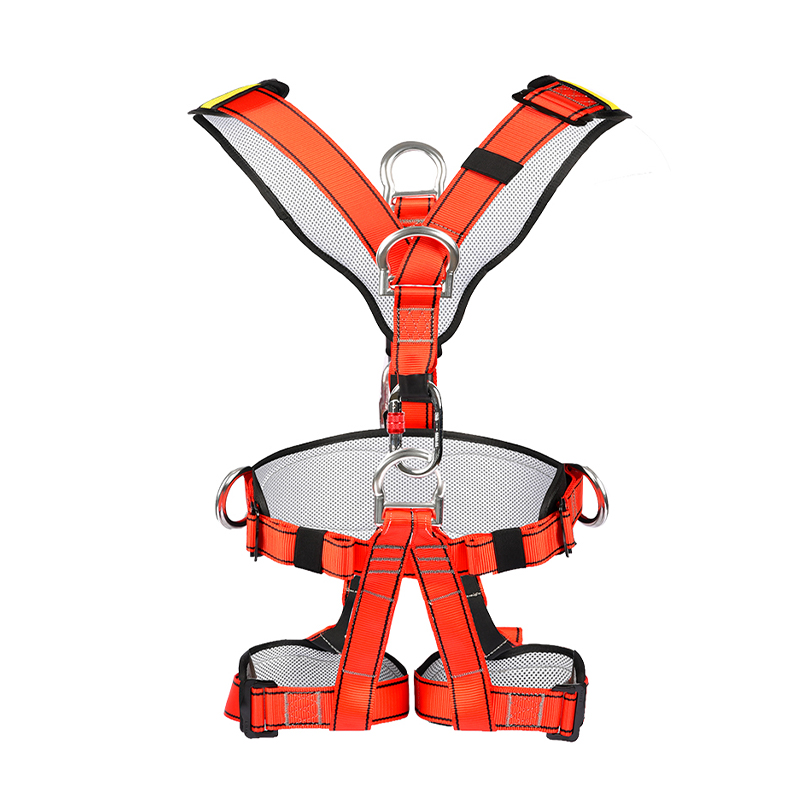
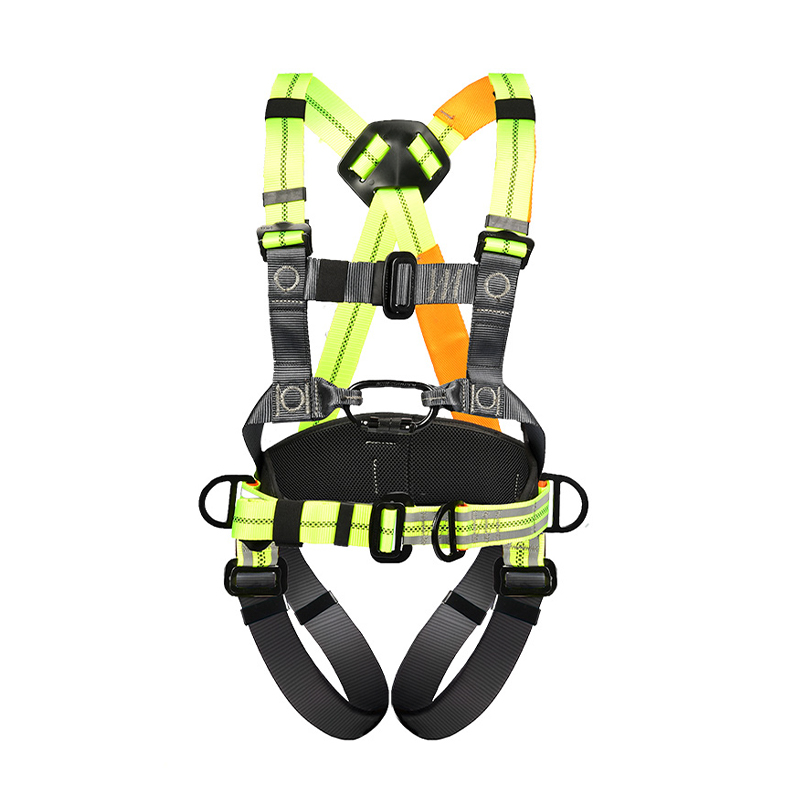
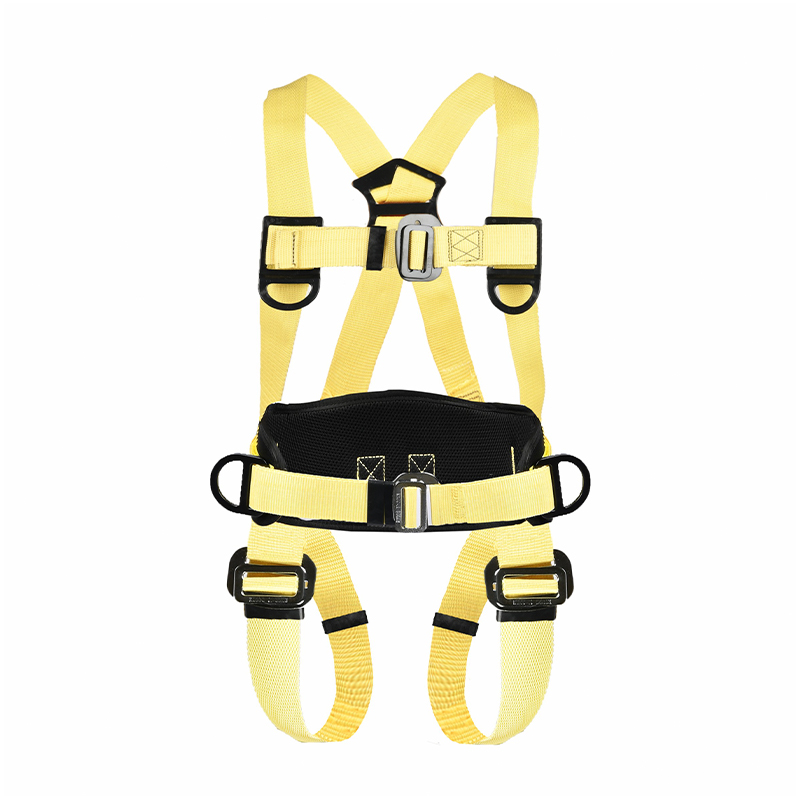
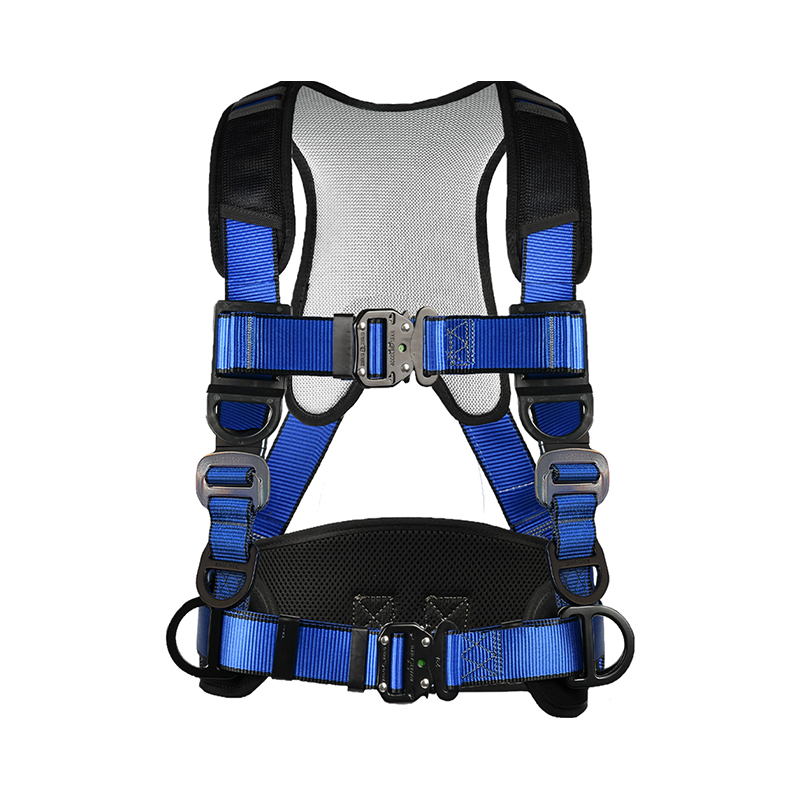
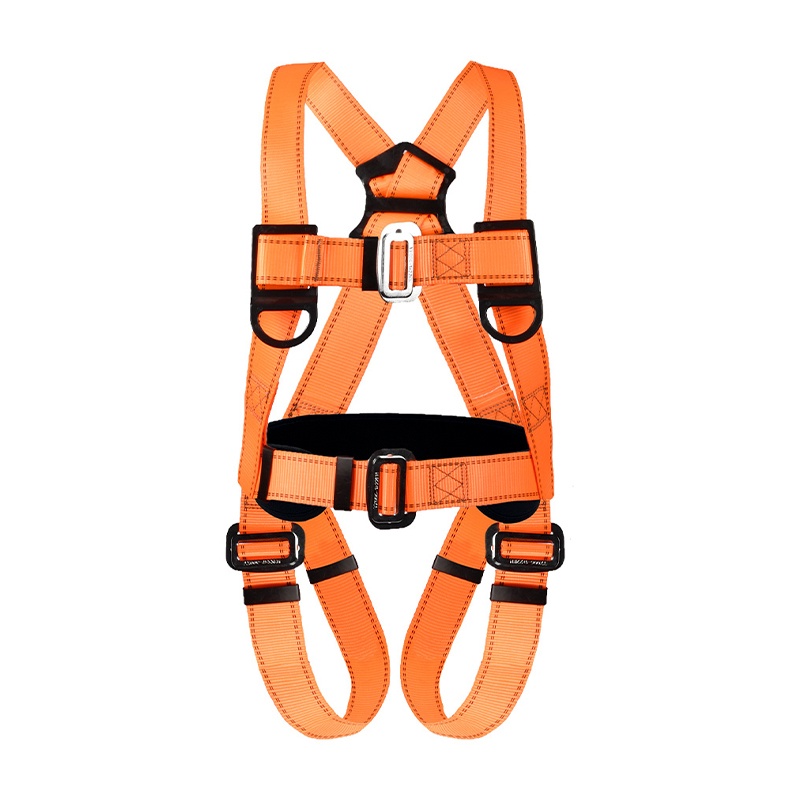
Safety harnesses come in various designs to accommodate different work environments. The main types include full body harnesses, work harnesses, climbing harnesses, rescue harnesses, and confined space harnesses. Full body harnesses provide comprehensive support for fall protection, distributing forces across shoulders, chest, and legs. Work harnesses are commonly used in construction, maintenance, and high-altitude installations. Climbing harnesses are typically used in arborist work or recreational climbing, while rescue harnesses are designed for emergency response situations. Confined space harnesses are specialized for operations in restricted or enclosed areas where safe movement and fall protection are essential. Each type of harness is designed to address specific safety challenges in the workplace.
Role of Safety Harness in Workplace Safety
Safety harnesses play a pivotal role in workplace safety by preventing falls or minimizing injury when a fall occurs. When used correctly, a harness secures the worker to an anchor point, reducing the risk of serious injury. In industries such as construction, maintenance, and forestry, where working at height is common, safety harnesses act as a primary fall protection measure. They help organizations comply with occupational safety regulations such as OSHA standards and other local safety requirements. Proper harness use also reinforces safety culture, ensuring that employees are aware of the risks of working at height and the importance of protective measures.
Components of a Safety Harness
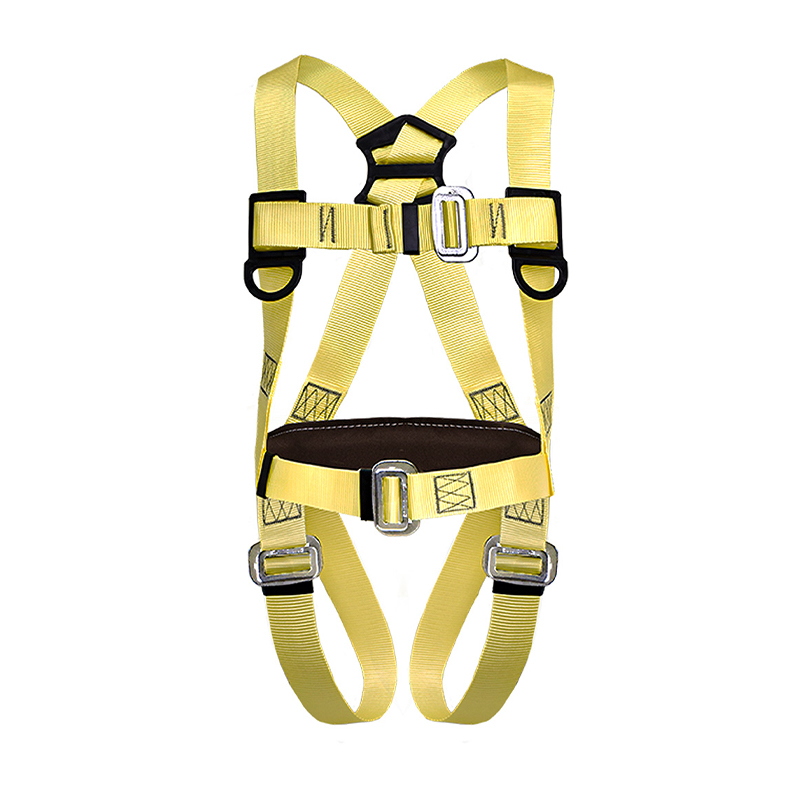
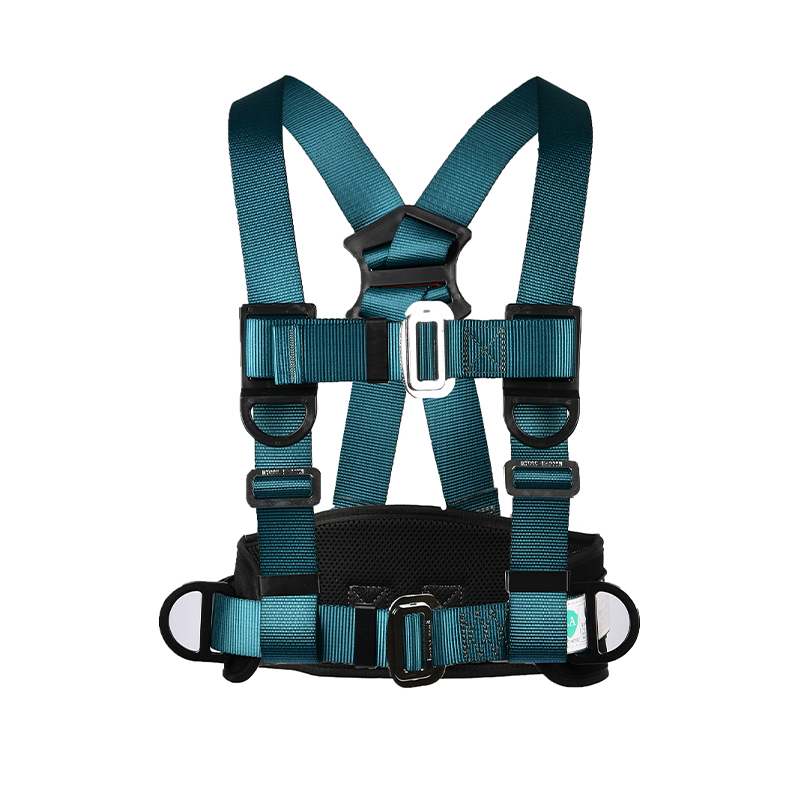
The key components of a safety harness include the shoulder straps, chest strap, leg loops, dorsal D-ring, and adjustment buckles. Shoulder straps distribute the force of a fall across the upper body, while the chest strap helps maintain proper positioning. Leg loops provide support to the lower body, and the dorsal D-ring serves as the main attachment point for lanyards or lifelines. Adjustment buckles ensure the harness fits the individual worker correctly, which is critical for both comfort and safety. Regular inspection of these components is essential to maintain the harness’s protective function and prevent failures during use.
Harness Inspection and Maintenance
Maintaining a safety harness requires systematic inspection and proper care. A harness inspection checklist typically includes checking the webbing for tears or fraying, inspecting buckles and D-rings for damage, ensuring stitching is intact, and verifying that labels and markings are legible. Any signs of wear or damage may indicate that the harness needs to be removed from service. Jiangsu Senmao Safety Technology Co., Ltd. emphasizes the importance of routine inspections and provides guidance on proper maintenance. Users are advised to store harnesses in a clean, dry environment and avoid exposure to chemicals or extreme temperatures. Following these practices helps extend the service life of the harness and ensures consistent safety performance.
Selection of Safety Harness for Specific Work Environments
Selecting the appropriate safety harness depends on the type of work, height, potential fall distance, and specific hazards present in the workplace. For construction sites, full body harnesses with a dorsal D-ring are commonly used for general fall protection. Rescue operations may require specialized harnesses with additional attachment points for rope access and lifting. Confined space work necessitates harnesses that allow mobility while providing fall arrest support. Evaluating the work environment and performing a hazard assessment ensures that the correct type of safety harness is used, thereby enhancing overall work safety. The use of safety harnesses is an integral part of workplace risk management, aligning with occupational health and safety standards.
Training and Compliance
Effective use of safety harnesses also requires proper training and adherence to regulations. Safety training programs should cover the correct method of wearing a harness, proper attachment to anchor points, and the use of fall arrest systems. Compliance with OSHA standards, local safety regulations, and company safety policies ensures that workers are protected and that organizations meet legal requirements. Jiangsu Senmao Safety Technology Co., Ltd. supports safety education by providing detailed user manuals and training resources for their products, which helps organizations implement a robust fall protection program.
Recommended Inspection Frequency and Replacement
Proper replacement and inspection schedules are critical for maintaining harness safety. The table below illustrates typical maintenance recommendations:
| Safety Harness Component |
Recommended Inspection and Replacement Period |
| Full Body Harness |
Inspect before each use; replace every 3–5 years depending on wear |
| Lanyard |
Inspect before each use; replace if any damage or stretching is observed |
| Buckles and D-Rings |
Inspect before each use; replace immediately if deformed or corroded |
| Rescue Harness |
Inspect before each operation; replace according to manufacturer guidelines |
These schedules are intended to ensure that the safety harness continues to function effectively in fall protection scenarios. Following inspection and replacement guidance aligns with safety standards and helps prevent accidents in high-risk work environments.
Future Trends in Safety Harness Technology
Safety harness technology is evolving to improve worker comfort, mobility, and fall protection efficiency. Innovations include harnesses with lightweight materials, ergonomic design to reduce fatigue, integrated shock-absorbing lanyards, and smart harnesses with sensors to detect unsafe movements. Companies like Jiangsu Senmao Safety Technology Co., Ltd. are investing in research and development to adapt to these trends, ensuring that their safety harnesses meet modern workplace safety requirements. These improvements aim to support workers in various industries while maintaining compliance with occupational health and safety regulations.
What are the key components of a safety harness and what are their functions?
Introduction: The Importance of Safety Harnesses
A safety harness is an essential piece of personal protective equipment in workplaces where working at height is required. For environments such as construction, arborist work, rescue harness operations, and confined space harness tasks, a safety harness can significantly reduce the risk of injury from falls. Jiangsu Senmao Safety Technology Co., Ltd., established in 2001, specializes in the production and sale of safety protection equipment, outdoor gear, and firefighting products. The company offers a wide range of safety harness types, including full body harnesses and fall protection harnesses, providing multiple levels of protection for both individuals and organizations.
Understanding the key components of a fall protection harness and their functions is essential for safe usage, along with knowledge of harness safety, compliance with harness regulations, and proper harness inspection checklist procedures.
Overview of Key Components and Functions
A safety harness typically consists of shoulder straps, chest straps, waist belts, leg straps, D-rings, and adjustment buckles. Each component plays a specific role in overall protection. A full body harness secures multiple parts of the body, distributing the impact of a fall and reducing the risk of injury. The following sections detail each component and its function.
Shoulder Straps
Shoulder straps are a core component of a full body harness, designed to secure the upper body and transfer fall forces to the torso and legs. They are typically made from durable, wear-resistant materials to withstand long-term use and heavy loads. Well-designed shoulder straps help reduce pressure on the chest and shoulders during a fall while maintaining comfort, which is important for prolonged work periods.
Chest Strap
The chest strap connects the left and right shoulder straps to stabilize their position. It prevents the shoulder straps from slipping or moving during work or in the event of a fall, maintaining the overall stability of the full body harness. Most chest straps include adjustable buckles to fit different body types, ensuring the harness fits snugly without restricting breathing or movement.
Waist Belt
The waist belt secures the lower back and waist, serving as a key load-bearing component in a fall protection harness. During high-risk work, the waist belt distributes the forces from the shoulders and legs, increasing the harness's overall load capacity. Many waist belts include attachment points for tools or accessories, which are useful for construction work or confined space harness operations.
Leg Straps
Leg straps wrap around the thighs and transfer fall forces from the waist to the lower body. They are adjustable to fit different body sizes while maintaining mobility. Proper use of leg straps helps distribute impact forces and reduces the risk of injury to the pelvis and lower limbs during a fall.
D-Rings
D-rings serve as critical attachment points for connecting lanyards, hooks, or other safety devices. Common D-rings include back D-rings, chest D-rings, and side D-rings. The back D-ring is primarily used for fall protection, the chest D-ring for rescue or inclined work, and the side D-rings for tool attachment or auxiliary connections. D-rings are made from high-strength metal materials to withstand heavy loads during a fall without deformation.
Adjustment Buckles
Adjustment buckles allow the user to adjust the length of shoulder straps, chest straps, waist belts, and leg straps, ensuring the harness fits snugly and comfortably. These buckles must be both easy to operate and secure to prevent loosening during work. Proper adjustment improves the fit of a harness, enhances safety performance, and ensures compliance with OSHA standards and other harness regulations.
Additional Components and Features
Some harnesses include extra features such as tool loops, reflective strips, and energy-absorbing straps. Tool loops help carry equipment during construction or arborist work. Reflective strips increase visibility in low-light conditions, and energy-absorbing straps further distribute fall forces. While not core components, these features improve overall functionality and user convenience.
Safety Inspection and Maintenance
The effectiveness of a safety harness depends not only on design and materials but also on regular inspection and maintenance. Jiangsu Senmao Safety Technology Co., Ltd. recommends routine harness inspection checklist procedures, including checking shoulder straps, leg straps, D-rings, and adjustment buckles for wear or damage. Any worn, aged, or deformed components should be replaced immediately to maintain fall protection effectiveness.
The table below provides a reference for safety harness inspections:
| Component |
Inspection Focus |
Replacement Criteria |
| Shoulder Straps |
Fraying, cuts, stitching |
Replace if significant wear or damage |
| Chest Strap |
Buckle integrity, strap tension |
Replace if buckle damaged or strap stretched |
| Waist Belt |
Stitching, padding condition |
Replace if padding flattened or stitching compromised |
| Leg Straps |
Strap tension, fraying |
Replace if worn or loose |
| D-Rings |
Corrosion, deformation |
Replace if bent, cracked, or rusted |
| Adjustment Buckles |
Functionality, ease of adjustment |
Replace if cannot securely adjust |